## Understanding How Commercial High Power Professional Amplifiers Work
A Commercial High Power Professional Amplifier is an essential component in various audio and broadcast applications, designed to deliver amplified audio signals with precision and clarity. These amplifiers are crucial for sound reinforcement in settings such as concerts, theaters, and large venues where sound quality and intensity are paramount.
At its core, a high power amplifier consists of several key components: the power supply, input stage, driver stage, and output stage. The power supply converts raw electrical energy into a usable form for the amplifier, providing the necessary voltage and current. In modern amplifiers, advancements in technology have led to the integration of switching power supplies, which are more efficient and lightweight than traditional linear power supplies.
The input stage processes the audio signal received from a source, such as a mixer or a microphone. This stage typically includes a preamplifier which boosts the signal to a level suitable for further amplification. Advanced digital signal processing (DSP) technologies are often incorporated here, allowing for real-time manipulation of the audio signal to enhance its quality. This processing can include equalization, compression, and filtering, ensuring optimal sound performance.
Following the input stage, the driver stage takes over. This part of the amplifier prepares the signal for high power amplification by boosting it to a level where it can drive the output stage effectively. This is where the true muscle of the amplifier comes into play—the output stage. It consists of high-power transistors or tubes that convert the processed signal into a stronger output capable of driving loudspeakers. High power amplifiers often utilize Class D amplification technology, which is highly efficient and generates less heat, making them suitable for prolonged use in demanding environments.
One of the most critical advancements in commercial high power amplifiers is their smart capabilities. Many modern amplifiers come equipped with network connectivity, allowing for remote monitoring and control. This feature is particularly beneficial during live events, where technicians can adjust settings on the fly, ensuring the optimal sound experience for the audience.
In practical applications, consider a large concert festival. High power professional amplifiers are strategically placed throughout the venue to ensure even sound distribution. Their ability to deliver powerful, high-fidelity audio allows artists to perform at their best, while the audience enjoys an immersive auditory experience.
In conclusion, the significance of Commercial High Power Professional Amplifiers in modern manufacturing and audio applications cannot be underestimated. Their advanced technology not only increases efficiency in production processes but also enhances the overall quality of sound in various settings. For those looking for reliable suppliers or wishing to know more about these critical devices, don’t hesitate to contact us.


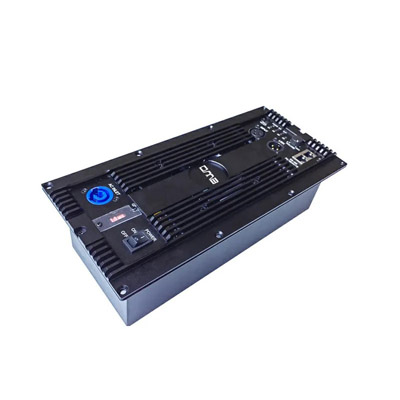
 Custom Professional Audio Amplifier Supplier