The Self-Developed DSP (Digital Signal Processing) Processor represents a significant advancement in the realm of digital technology, tailored to meet the diverse needs of modern electronic applications. With the increasing demand for efficient data processing in various fields such as telecommunications, audio and video processing, and real-time computing, the development of customized DSP solutions has become essential.
One of the primary advantages of a Self-Developed DSP Processor is its ability to be optimized for specific tasks, enabling enhanced performance and reduced power consumption. Unlike off-the-shelf processors, which are designed for general use, a self-developed DSP can be fine-tuned to handle particular algorithms and functions. This specialization leads to increased processing speed and improved overall efficiency, making it an ideal choice for applications that require rapid data analysis and low latency, such as in autonomous vehicles or high-frequency trading systems.
The design process of a Self-Developed DSP Processor involves a deep understanding of both hardware and software principles. Engineers and developers must integrate knowledge from various domains, including electrical engineering, computer science, and signal processing. This multidisciplinary expertise ensures that the resulting processor not only meets the technical specifications but also addresses the practical requirements of end-users. The iterative process of development includes rigorous simulation and testing phases, which help fine-tune the architecture and optimize performance.
Moreover, the Self-Developed DSP Processor often features unique architectures that leverage parallel processing capabilities. This allows multiple operations to be executed simultaneously, significantly enhancing throughput. With advances in manufacturing technologies, these processors can also incorporate advanced features such as adaptive filtering, real-time analytics, and machine learning capabilities.
In addition to technical prowess, successful development relies on collaboration among various stakeholders, including engineers, researchers, and industry professionals. This collaboration fosters an environment of innovation, ensuring that the DSP Processor evolves in line with technological advancements and market needs.
As industries continue to embrace digital transformation, the development of specialized hardware like the Self-Developed DSP Processor becomes increasingly crucial. Its designed efficiency, tailored performance, and adaptability position it as an invaluable asset in the ever-evolving landscape of digital technology.
In summary, the Self-Developed DSP Processor stands as a testament to the intersection of expertise, innovation, and practical application in the realm of digital signal processing, addressing contemporary needs and anticipating future challenges in an increasingly connectivity-driven world.

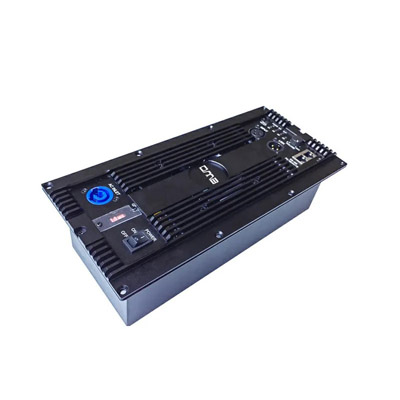
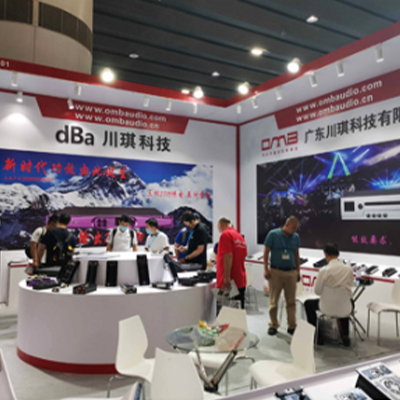
 Custom Audio Amplifier Supplier