## How Module Amplifier For Stage Speakers Works
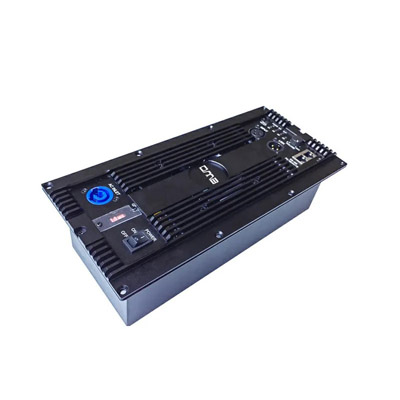
The Module Amplifier for stage speakers is a critical component in modern audio systems, specifically designed to enhance sound quality in live performances. These amplifiers serve to boost audio signals, ensuring that sound reaches every corner of a venue with clarity and power.
At the heart of a Module Amplifier is its primary function: signal amplification. The amplifier takes a low-level audio signal, typically from a mixer or soundboard, and enhances it to drive speakers effectively. Key components of this system include the input stage, the gain stage, the output stage, and the power supply.
1. **Input Stage**: This is where the audio signal enters the amplifier. Input transformers or op-amps are often used to ensure the signal is processed with minimal distortion. Advanced circuitry in this stage may also include features like equalization, which allows sound engineers to tailor the audio output to the specific acoustic characteristics of a venue.
2. **Gain Stage**: After entering the input stage, the audio signal is boosted in the gain stage. This is accomplished through transistors or integrated circuits. The advanced technology utilized here can significantly enhance the efficiency of power usage, preventing overheating and extending the lifespan of the amplifier, which is crucial in high-demand environments like concerts.
3. **Output Stage**: The output stage is where the amplified signal is sent out to the speakers. This stage must handle high power levels, requiring robust components like powerful transistors. Modern module amplifiers utilize Class D amplification technology, which is renowned for its efficiency and compact size. Class D amplifiers can deliver substantial power while generating less heat compared to their Class A and Class AB counterparts.
4. **Power Supply**: A reliable power supply is vital for optimal performance, providing the necessary voltage and current to the amplifier. Many module amplifiers now employ switch-mode power supplies (SMPS), which allow for lighter and more efficient designs. This advancement facilitates easier transport and setup in dynamic environments.
The application of advanced technology in module amplifiers is not just about improving sound quality; it revolutionizes production processes. For instance, with digital signal processing (DSP), sound engineers can adjust multiple parameters in real-time, allowing for quick adaptations to various acoustic environments.
In practical scenarios, imagine a large outdoor concert where sound must reach thousands of audience members. The Module Amplifier ensures that even those at the back can enjoy crystal-clear audio, significantly enhancing the overall experience.
In conclusion, the Module Amplifier for stage speakers embodies the advancements in audio technology that have transformed sound engineering and performance. For businesses and individuals looking for reliable audio solutions, connecting with suppliers can provide more information about integrating these technologies into their setups. Should you have any questions or need further assistance, feel free to contact us.

 Custom Digital Audio Amplifier