## Understanding How Module Amplifiers Work for Speaker Manufacturers
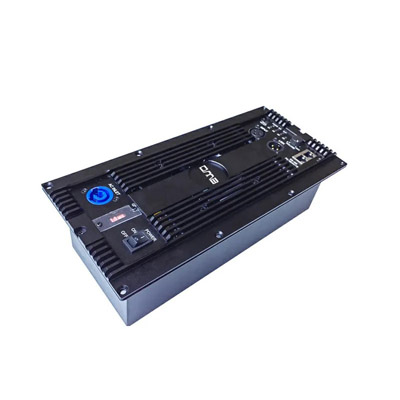
Module amplifiers play a pivotal role in the world of speaker manufacturing, where their design and functionality directly impact audio performance. A module amplifier is essentially a compact unit that combines amplification technology with essential support components to enhance audio output while maintaining space efficiency. The key components of a module amplifier include the power supply, signal processors, amplification stage, and thermal management systems.
The power supply is responsible for converting standard AC voltage into the DC voltage required by the amplifier. It ensures that the amplifier receives a stable and clean power source, critical for optimal performance. Next, the signal processors handle incoming audio signals by filtering, equalizing, and shaping them before they reach the amplification stage. This processing is vital in minimizing distortion and ensuring that the output sound is faithful to the original recording.
The amplification stage is the heart of the module amplifier, where electrical signals are boosted to produce the sound heard from speakers. This stage can employ various technologies such as Class D amplification, which is known for its efficiency and thermal performance. Class D amplifiers convert the incoming audio signals into pulses, effectively driving the speakers with less heat generation and higher power efficiency compared to traditional Class A or Class B amplifiers.
Thermal management systems are integrated to dissipate heat generated during the amplification process, preventing overheating and ensuring long-term reliability. Active cooling methods, like fan systems, or passive solutions, like heat sinks, are commonly used.
The use of advanced technology in module amplifiers has revolutionized the way speaker manufacturers approach production. With automated testing and assembly processes powered by Artificial Intelligence (AI), producers can streamline workflow, reduce manufacturing errors, and shorten production timelines. For example, automated inspection systems utilize machine learning to detect faults in real-time, ensuring that only high-quality amplifiers make it to the market.
In practical scenarios, manufacturers might implement module amplifiers in various audio products, from home theater systems to professional sound reinforcement setups. Their compact design allows for easier integration into diverse speaker units, while their high performance meets the stringent demands of modern audio applications.
In conclusion, module amplifiers are essential for speaker manufacturers as they enhance audio quality and improve production efficiency. With ongoing advancements in technology, they remain indispensable components in modern audio manufacturing. For more information on module amplifiers or to connect with reliable suppliers, please feel free to contact us.

 Custom Amplifier For Pa Systems