## How Professional Amplifiers for Concert Sound Systems Work
Professional amplifiers are essential components of concert sound systems, providing the necessary power to drive loudspeakers and deliver high-quality audio to audiences. Understanding how these amplifiers work involves exploring their key components and mechanisms, which utilize advanced technology to ensure optimal performance.
At the core of a professional amplifier is the power supply, which converts standard AC voltage into a usable DC voltage for its internal components. This voltage is then sent to the output stage, where it is amplified. The amplification process is carried out by transistors or integrated circuits that increase the input signal’s power while maintaining its original sound quality. Typically, amplifiers are classified into different classes—Class A, B, AB, and D—each offering varying levels of efficiency and audio fidelity. Class D amplifiers, for instance, are favored in concert applications for their high efficiency, meaning more power is transmitted to the speakers without generating excessive heat.
Another critical component of professional amplifiers is the cooling system, often involving heatsinks and sometimes fans. Effective cooling is crucial to prevent overheating, especially during extended performances or in high-demand situations. Moreover, many modern amplifiers are equipped with digital signal processing (DSP) capabilities. This technology allows for finer control over audio parameters such as equalization, delay, and crossover settings, enabling sound engineers to customize the audio output tailored to specific venues and audience needs.
Advanced connectivity options in current models, including digital inputs (like AES/EBU and Dante), enhance the versatility of professional amplifiers, allowing them to integrate seamlessly with various audio sources and control systems. This adaptability is vital in modern concert setups, where multiple audio inputs need to be managed simultaneously.
A practical example of a professional amplifier in action can be seen at large music festivals. The sound engineer uses a powerful Class D amplifier to drive an array of line array speakers. The amplifier, with its DSP capabilities, allows for real-time adjustments, ensuring optimal sound coverage across the audience area. Such efficiency not only enhances the listening experience but also simplifies setup and operation, reducing logistical challenges associated with sound reinforcement.
In conclusion, professional amplifiers for concert sound systems are intricate devices that leverage advanced technology to deliver high-quality audio experiences. Their design and functionality ensure that sound professionals can produce powerful, clear sound in various environments. For more information on sourcing these essential components from reliable suppliers, contact us today.


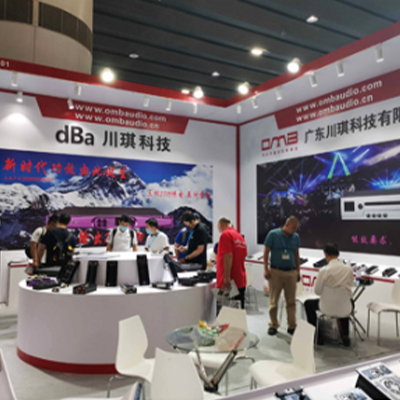
 Custom High Watt Audio Amplifier