## Understanding High Power Active Amplifier Modules
High Power Active Amplifier Modules (HPAAMs) are critical devices used in various applications, particularly in telecommunications, radar systems, and electronic warfare. These modules amplify electrical signals to high power levels, making them pivotal in transmitting data over long distances with minimal loss.
At the core of an HPAAM are several key components that contribute to its functionality. Firstly, the **transistors** are essential for amplification. Typically, these are either Gallium Nitride (GaN) or Lateral Diffused Metal Oxide Semiconductor (LDMOS) transistors. They allow for high efficiency and high-frequency operation, which is vital in modern applications. The performance of these transistors directly influences the overall efficiency and output power of the amplifier.
Another crucial component is the **power supply unit**, which provides the necessary voltage and current to drive the transistors. This unit is designed to ensure stable operation even under varying load conditions. Additionally, the module often includes **heat management systems**, such as heat sinks or active cooling solutions, to dissipate the heat generated during operation, thereby ensuring reliability and longevity.
The working mechanism of the HPAAM begins with an input signal entering the module. This signal is first conditioned by various circuits to ensure it meets the necessary parameters for amplification. Once conditioned, the signal is fed into the transistors, where it undergoes amplification. The output is a significantly stronger signal, which can then be used for transmission or further processing.
Advanced technology plays a crucial role in enhancing the capabilities of HPAAMs. Manufacturers are continuously developing new materials and designs to improve efficiency and power density. For example, using GaN technology enables amplifiers to operate at higher frequencies and temperatures, significantly increasing their performance while reducing overall power consumption. This technological advancement has a direct impact on production processes, allowing for faster manufacturing cycles and more reliable outputs.
In modern manufacturing, the importance of HPAAMs cannot be overstated. Industries such as aerospace and defense rely on these modules for their communication and surveillance systems. In telecommunications, HPAAMs facilitate the expansion of cellular networks, ensuring higher data rates and better service quality for users. One practical example can be seen in satellite communication, where HPAAMs amplify signals from satellites, thereby ensuring they reach ground stations with minimal distortion.
As the demand for high-performance amplification continues to grow, it becomes essential for manufacturers and suppliers to stay ahead of technological trends. Organizations interested in integrating HPAAMs into their systems or needing more information can reach out to leading suppliers in the field. For further inquiries or assistance, please contact us.

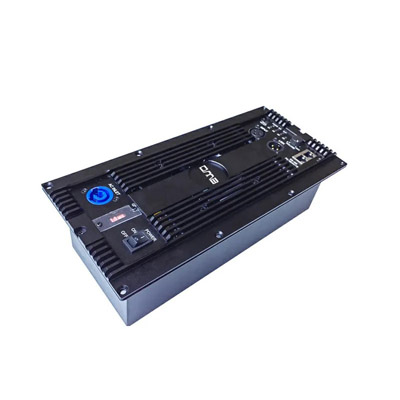
 Private Label Audio Amplifier Manufacturer