## Understanding Class D Professional Audio Amplifiers
Class D Professional Audio Amplifiers have transformed the landscape of audio amplification, combining efficiency with exceptional sound quality. At the heart of their operation is a method known as pulse-width modulation (PWM), which allows these amplifiers to deliver powerful audio output with minimal power loss, setting them apart from other amplifier classes.
The key components of a Class D amplifier include the input stage, modulator, output stage, and power supply. The input stage receives the audio signal, which is then processed by the modulator. This modulator converts the analog audio input into a high-frequency square wave signal through PWM. In essence, it encodes the inherent amplitude of the audio signal into the width of the pulses. For instance, a higher amplitude results in wider pulses, while a lower amplitude leads to narrower ones.
Once modulated, the signal proceeds to the output stage, which typically consists of high-speed transistors (often MOSFETs) that switch the pulses on and off rapidly. This switching action effectively leads to the amplification of the audio signal without significant heat generation, making Class D amps more efficient than their Class A or Class B counterparts, which waste vast amounts of energy as heat.
A key advantage of Class D amplifiers is their compact size and lightweight nature, primarily attributed to the efficiency of their design. This makes them particularly suited for professional audio applications such as live sound reinforcement systems, where space and portability are essential. Additionally, because they can output large amounts of power with smaller power supplies, they find extensive use in subwoofer applications, providing deep bass response without the bulk of traditional amplifiers.
Advanced technology in Class D amplifiers enables efficient production processes, reducing the impact on energy resources and materials. Modern manufacturing techniques, such as surface-mount technology (SMT), allow for more compact circuit designs, enhancing performance while lowering production costs.
The significance of Class D technology in modern manufacturing cannot be overstated. With the growing demand for portable audio solutions and high-fidelity sound, suppliers are increasingly adopting this technology to meet market needs. The efficiency and robustness of Class D amplifiers ensure that they will remain a staple in audio applications for years to come.
For further inquiries about Class D Professional Audio Amplifiers, please feel free to contact us. Our team is ready to assist you with information about suppliers and detailed product specifications.


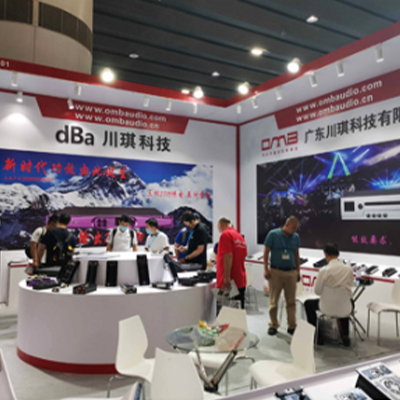
 Custom Class D Audio Amplifier