## Understanding How Module Amplifiers Work for Audio Equipment Manufacturers
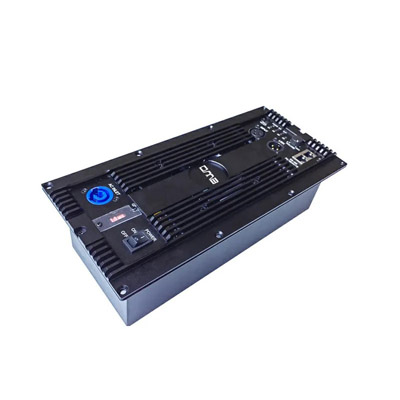
Module amplifiers serve as the backbone of audio equipment manufacturing, transforming audio signals into sound. These advanced devices combine various technologies to ensure high-performance output while streamlining manufacturing processes. Understanding their workings can reveal how they contribute to modern audio production.
At its core, a module amplifier consists of several key components: the input stage, amplification stage, power supply, and output stage. The input stage receives audio signals and prepares them for amplification. Typically, it includes analog-to-digital converters (ADCs) that transform analog signals into digital formats for further processing. This stage is crucial for ensuring that the incoming audio is accurately captured and fed into the system.
Next, the amplification stage is where the magic happens. Here, signal processing is carried out through the use of operational amplifiers and digital signal processors (DSPs). The operational amplifiers are responsible for boosting the signal’s amplitude, while DSPs perform various alterations, such as equalization and compression, to enhance sound quality. The combination of these technologies leads to a cleaner, more dynamic audio output.
The power supply is essential for the performance of module amplifiers, delivering the necessary voltage and current to the components. Modern power supplies utilize switching technology for efficiency, reducing energy waste and heat generation. This improvement not only benefits audio quality but also contributes to the longevity and reliability of the amplifier.
Finally, the output stage converts the amplified signals back into analog format, driving speakers to produce sound. Advanced techniques such as Class D amplification are often employed for their efficiency and compact size, making them ideal for modern audio equipment where space is at a premium.
Moreover, the integration of smart technology and automation in module amplifiers enables manufacturers to streamline production processes. Automated testing and quality control systems can quickly identify defects, ensuring that each unit meets quality standards before reaching the market. This efficiency not only reduces production time but also minimizes costs, giving manufacturers a competitive edge.
In practical scenarios, think of audio equipment used in live concerts or studio recordings, where the fidelity and reliability of sound reproduction are paramount. Module amplifiers are central to systems used in these settings, ensuring that every note and nuance is accurately rendered.
In conclusion, the module amplifier plays a pivotal role in audio equipment manufacturing by leveraging advanced technologies to enhance performance and production efficiency. It allows audio manufacturers to produce high-quality equipment consistently. To learn more about these advanced technologies and find reliable suppliers, contact us for further information.

 Custom Amplifier For Sound Reinforcement