## Understanding the Self-Developed DSP Audio Management System
The Self-Developed DSP Audio Management System stands at the forefront of modern audio technology, revolutionizing the way sound is processed and managed in various applications. At its core, the system uses Digital Signal Processing (DSP) to manipulate audio signals in real-time, providing enhanced sound quality and control across a multitude of environments.
Key components of the DSP Audio Management System include the Digital Signal Processor, audio input/output interfaces, and user interface software. The Digital Signal Processor is the brain of the system, equipped with advanced algorithms that analyze and transform audio signals in milliseconds. This component allows for a wide range of functionalities, including equalization, dynamic range compression, and spatialization.
Audio input and output interfaces serve as the gateways for audio signals entering and leaving the DSP system. These interfaces are capable of handling various audio formats, ensuring compatibility with an array of devices, from microphones to speakers. The user interface software enables operators to configure the audio settings easily, adjust parameters, and monitor performance in real-time, thus enhancing user experience through intuitive controls.
One of the significant advantages of the Self-Developed DSP Audio Management System is its application of advanced technology to streamline production processes. In a typical manufacturing environment, maintaining sound quality during production is crucial, particularly in acoustic-sensitive industries such as automotive and consumer electronics. The DSP system can be integrated into production lines, allowing for automatic adjustments based on real-time audio feedback, which leads to reduced noise pollution and increased product quality.
For example, within an automotive assembly line, the DSP Audio Management System can monitor the sounds produced by machinery. By analyzing these sounds, the system can detect irregularities that may signify malfunctions or inefficiencies. This proactive approach facilitates timely repairs, thereby minimizing downtime and ensuring a smooth production flow.
Moreover, the technology plays an essential role in entertainment venues, conference centers, and public address systems, where audio clarity and fidelity are paramount. By utilizing the DSP system, operators can create tailored audio experiences that meet the specific requirements of each setting, enhancing audience engagement.
In conclusion, the Self-Developed DSP Audio Management System exemplifies how advanced audio technology can transform sound management across various sectors. With its efficient production processes and versatility in application, it is indispensable in the manufacturing and entertainment industries. For more information on enhancing your audio systems or inquiries about potential suppliers, do not hesitate to contact us.

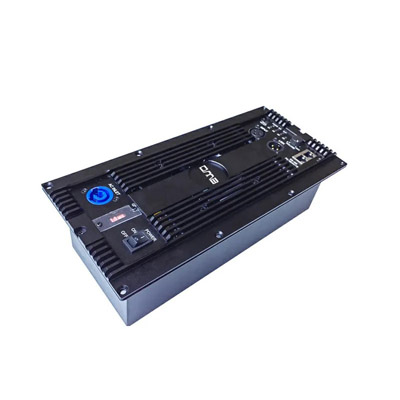
 Custom Amplifier For Conference Systems