## Understanding High Performance Professional Audio Amplifiers
High performance professional audio amplifiers play a crucial role in delivering clear, powerful sound across various applications, from concert venues to recording studios. These sophisticated devices amplify low-level audio signals to drive loudspeakers effectively, ensuring that every note, tone, and vocal nuance is reproduced with accuracy and power.
The primary components of a professional audio amplifier include the input stage, gain stage, output stage, and power supply. The input stage accepts audio signals from sources like microphones and mixers, typically featuring high-impedance inputs to accommodate various signal types. Advanced technology in this stage often includes built-in equalization options, allowing for the fine-tuning of sound quality.
Once the audio signal is received, it passes to the gain stage. This crucial component boosts the signal's voltage, using transistors or operational amplifiers. High performance models utilize modern Class D amplification technology, which provides high efficiency and low heat generation, offering significant advantages over traditional Class A or Class AB amplifiers. This not only leads to a more compact design but also improves energy consumption—an important factor in both environmental sustainability and operational costs.
The output stage is where the amplified signal is prepared to be sent to loudspeakers. This stage may include additional circuitry for protection against overload and short circuits, ensuring safe operation during high-power demands. Many high performance amplifiers also feature built-in digital signal processing (DSP), allowing for further sound manipulation and enhancement, such as delay adjustments or crossover management.
The power supply provides the necessary energy for all these components to function effectively. Modern supplies often utilize switching technology that intelligently increases efficiency, reducing wasted energy and thus contributing to a lower carbon footprint.
In practice, high performance professional audio amplifiers can be found in several dynamic scenarios. For instance, in a large concert setting, these amplifiers ensure that thousands of audience members receive a consistent and powerful audio experience, regardless of their location in the venue. Similarly, in sound studios, they are essential for providing accurate sound references during mixing and mastering processes.
In summary, the synergy of advanced components and technologies in high performance professional audio amplifiers ensures exceptional sound quality and reliability. These devices are not only vital in live sound scenarios but also play an important role in studio and broadcasting environments. For those looking to invest in this technology, it is essential to contact us for recommendations on the best suppliers to meet your audio amplification needs.


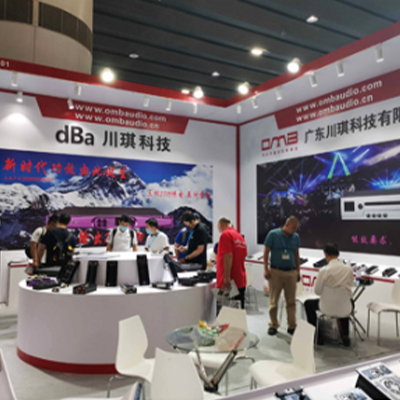
 Custom Pa Amplifier Factory