## Introduction to Self-Developed DSP Audio Platform Customization
In today's fast-paced digital landscape, audio customization has become essential for manufacturers and content creators. The Self-Developed Digital Signal Processing (DSP) Audio Platform Customization allows businesses to tailor audio processing to meet specific needs. This article explores how the technology works, its key components, and its applications in modern manufacturing.
At the core of the Self-Developed DSP system are advanced algorithms that manipulate audio signals in real-time. These algorithms are designed to enhance audio quality by filtering noise, boosting certain frequencies, and applying effects such as reverb or equalization. This capability is not just about sound enhancement; it's a crucial tool for achieving superior audio fidelity in various applications, from consumer electronics to professional sound systems.
The key components of this system include the DSP chip, software framework, and user interface. The DSP chip itself is a specialized microprocessor optimized for audio signal processing, capable of handling complex calculations at high speeds. The software framework provides a flexible environment for developers to create and modify audio algorithms easily. This can include pre-built effects or custom algorithms tailored to specific applications. Furthermore, the user interface enables end-users to interact with the system intuitively, making real-time adjustments to audio settings.
One of the standout features of Self-Developed DSP Audio Platform Customization is its capacity for real-time processing. This means that audio signals can be modified on-the-fly, allowing for dynamic responsiveness during live performances or interactive media applications. An excellent example of this technology in action is in the development of smart speakers, where DSP customization ensures optimal sound reproduction based on the acoustics of the surrounding environment.
Moreover, this technology significantly reduces production time and costs. Traditional audio processing methods often involved extensive post-processing which can be both time-consuming and expensive. By integrating DSP customization into the manufacturing process, companies can streamline their workflows, allowing faster product development cycles and more efficient resource utilization.
In conclusion, Self-Developed DSP Audio Platform Customization represents a significant stride in modern audio technology. Its advanced algorithms and real-time processing capabilities enable businesses to produce high-quality audio solutions efficiently. As industries continue to innovate, the importance of this technology grows, making it key in the competitive landscape of manufacturing. For those looking to enhance their audio systems, collaborating with reliable suppliers can facilitate the acquisition of the right DSP technology. For further information, contact us to explore how we can help elevate your audio solutions.

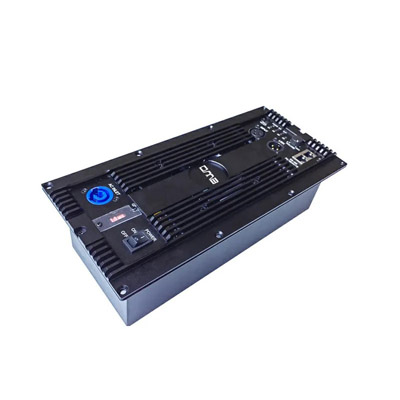
 Custom High Watt Audio Amplifier