The Self-Developed DSP Embedded System represents a significant advancement in the realm of digital signal processing, combining innovative engineering practices with practical applications in various fields, including telecommunications, audio processing, and advanced control systems. At the heart of this system lies the spirit of self-development, allowing engineers and developers to tailor solutions specific to their unique project requirements.
Digital Signal Processors (DSPs) are specialized microprocessors designed to efficiently handle complex mathematical computations that are ubiquitous in real-time signal processing tasks. The self-developed aspect of this system emphasizes the ability of engineers to create customized DSP solutions that can be optimized for specific tasks, such as noise cancellation, image processing, or data compression. This approach not only enhances the processing capabilities but also allows for heightened flexibility and adaptability in response to evolving technological demands.
Expertise in embedded systems design is fundamental to the successful implementation of a self-developed DSP system. Engineers and developers rely on their in-depth understanding of software-hardware interactions, real-time operating systems, and the intricacies of DSP algorithms to create robust applications. This expertise extends beyond theoretical knowledge; it encompasses practical experience in coding, debugging, and optimizing embedded systems, ensuring that they operate efficiently within constrained environments.
The authoritativeness of self-developed DSP systems can be observed through their increasing adoption in various industries. As organizations seek to improve their computational capabilities, custom DSP solutions have emerged as a preferred choice due to their ability to deliver tailored performance enhancements. By addressing specific challenges within a project and providing bespoke functionalities, these systems bolster the reliability and efficiency of applications in sectors such as automotive, healthcare, and consumer electronics.
In addition to enhancing system performance, self-developed DSP embedded systems promote innovation by allowing teams to experiment with novel algorithms and architectures. The iterative development process encourages constant refinement and integration of new technologies, such as artificial intelligence and machine learning, thereby equipping systems with advanced capabilities that benefit end-users.
By embedding expertise, practical experience, and authoritative knowledge into the creation of self-developed DSP embedded systems, engineers not only fulfill current technological requirements but also pave the way for future innovations in digital signal processing. As these systems continue to evolve, their deployment will likely transform various domains, proving the value of a self-tailored approach in a rapidly changing technological landscape.

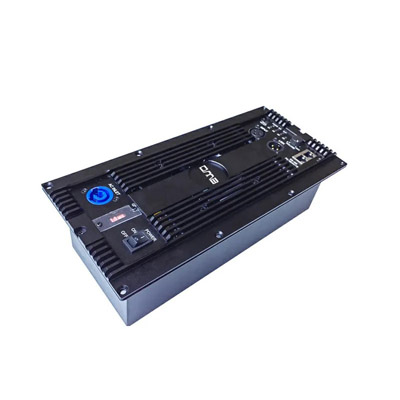

 Custom Audio Amplifier Supplier