## Self-Developed DSP for Professional Audio: How It Works
Digital Signal Processing (DSP) has revolutionized the field of audio engineering, offering unprecedented levels of control over sound manipulation and quality. A self-developed DSP for professional audio harnesses advanced algorithms and embedded systems to process audio signals in real-time, giving audio professionals the tools they need for high-quality production.
At the heart of self-developed DSP are several key components. The Digital Signal Processor itself is a specialized microprocessor designed to perform complex mathematical operations at high speeds, ideal for real-time audio signal manipulation. This processor is coupled with software algorithms, specifically designed for audio tasks such as equalization, dynamics processing, and effects like reverb and delay. By employing highly optimized code, self-developed DSP systems can achieve lower latency and higher precision than generic audio processing units.
Input and output interfaces are also crucial elements. These may include analog-to-digital (ADC) and digital-to-analog (DAC) converters, which ensure that sound is effectively captured and played back. Advanced DSPs often feature high-quality conversion chips to preserve audio integrity during processing. Additionally, connectivity options like USB, Ethernet, or even wireless protocols are incorporated to facilitate seamless integration into various audio setups.
One significant aspect of self-developed DSP technology is its adaptability to changing production needs. For example, in a live sound setting, audio professionals can use a DSP to create tailored sound profiles for different venues. By analyzing the acoustics of a space and adjusting EQ settings accordingly, engineers can ensure optimal sound delivery. In studio environments, self-developed DSPs can be employed during mixing and mastering, allowing for precise control over dynamics and timbral qualities.
Furthermore, the application of artificial intelligence in self-developed DSPs is gaining traction. AI-driven algorithms can learn from previous audio inputs and dynamically adjust processing parameters, making real-time enhancements that benefit both live and recorded audio.
In a world increasingly driven by technology, having a self-developed DSP for professional audio is indispensable. It enables efficient production processes and enhances the capabilities of audio professionals. As audio production and consumption continue to evolve, the importance of high-quality, adaptable DSP technology cannot be overstated.
For more information about our self-developed DSP solutions, or if you are looking for reliable suppliers, contact us today to explore how we can elevate your audio production experience.

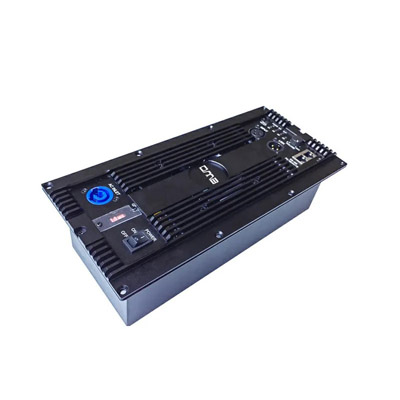
 Custom High Efficiency Audio Amplifier