## Understanding Self-Developed DSP Dynamic Audio Processing
Dynamic Audio Processing is a vital aspect of modern sound reproduction, especially in environments where audio clarity and adaptability are crucial. At the core of Self-Developed DSP (Digital Signal Processing) Dynamic Audio Processing lies a sophisticated integration of hardware and software that manipulates audio signals in real-time.
The central component of this technology is the Digital Signal Processor itself. This microprocessor is designed specifically for handling audio signals and transforms them into digital format for efficient processing. Key functions of a DSP include filtering, equalization, compression, and reverb, facilitating a cleaner and more immersive sound experience. By analyzing audio signals, the DSP can make instant adjustments based on predefined parameters or real-time feedback from the environment.
Initial sound input captures audio signals through high-quality microphones or line inputs, which are then transformed into digital signals by analog-to-digital converters. Once transformed, the DSP evaluates these signals and applies various algorithms that manage sound dynamics—this could involve enhancing speech clarity in a crowded environment or adjusting bass levels to accommodate acoustic spaces in real-time.
A critical aspect of Self-Developed DSP Dynamic Audio Processing is its adaptability. Advanced technology allows the system to learn and optimize based on usage patterns or specific event requirements. For example, in a live concert setting, the DSP can continuously adjust sound levels to account for audience noise, ensuring performers are heard clearly. Similarly, in broadcasting, DSP can dynamically expand or compress audio to maintain consistent volume levels, significantly enhancing listener experience.
Additionally, integration with other technologies such as AI transpires a new level of sophistication. By utilizing machine learning algorithms, the DSP can predictively adjust sound settings based on historical data, making it a truly intelligent system. In industrial settings, this can lead to more efficient production processes by minimizing sound-related distractions, thereby creating a more conducive work environment.
In conclusion, Self-Developed DSP Dynamic Audio Processing stands as a testament to the advancement of audio technology. It has become indispensable in diverse application scenarios, from live events to digital media. Manufacturers and audio engineers alike benefit from this technology, leveraging its capabilities to improve overall sound quality and enhance production efficiency. If you are interested in implementing this technology or seeking suppliers in advanced audio solutions, do not hesitate to contact us.

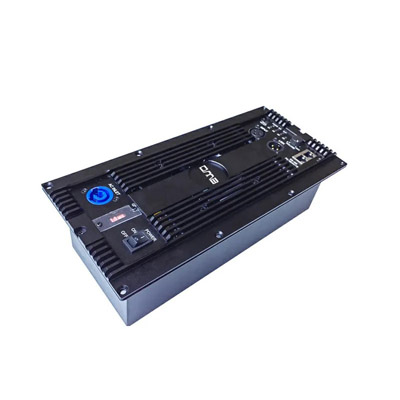
 Custom Professional Audio Power Amplifier