## Understanding Self-Developed DSP Systems for Audio Manufacturers
In the world of audio manufacturing, Digital Signal Processing (DSP) has revolutionized how sound is produced, manipulated, and delivered. Self-developed DSP systems specifically designed for audio manufacturers are at the forefront of this technological breakthrough. These systems integrate a variety of components and processes to ensure high-quality sound reproduction and efficient production workflows.
At the core of a self-developed DSP system is the DSP chip, which is specially engineered to handle complex calculations at high speeds. This chip performs the essential function of processing audio signals, allowing for modifications such as equalization, dynamic range compression, and effects like reverb and delay. The workflow begins with an audio input, which is digitized and sent to the DSP chip. The software algorithms implemented within the DSP chip determine how the audio is altered and subsequently outputted.
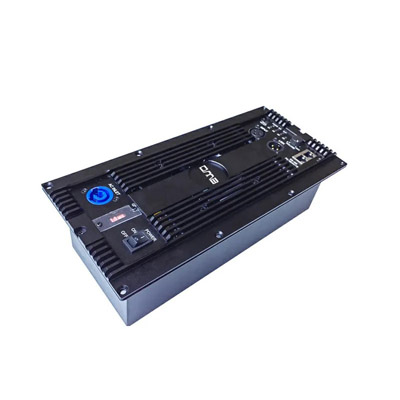
Key components of a self-developed DSP system include the input/output interfaces, the DSP chip, memory, and a user interface. Input/output interfaces enable seamless communication between the audio sources and the DSP system, while memory stores critical algorithms and user presets for quick access. The user interface allows audio engineers and manufacturers to fine-tune the audio parameters, ensuring customized solutions for various audio products, from home theater systems to professional sound reinforcement systems.
The advanced technology embedded in these DSP systems permits manufacturers to automate various aspects of production. For example, a manufacturer can utilize real-time DSP capabilities to test audio outputs for quality control. If an anomaly arises, the system can automatically adjust the parameters, allowing for consistent sound quality throughout production.
An application scenario that highlights the importance of self-developed DSP systems is in the design of wireless speakers. These systems must efficiently process audio signals despite transmission delays. Through sophisticated DSP algorithms, manufacturers can ensure that audio synchronization remains intact, providing users with a seamless listening experience.
In conclusion, the self-developed DSP systems play a critical role in modern audio manufacturing. By integrating advanced technology and efficient processes, these systems enhance production capabilities while ensuring exceptional audio quality. As the industry continues to evolve, audio manufacturers must stay competitive by adopting these advanced technologies into their production processes. If you’re looking for reliable suppliers and want to learn more, do not hesitate to contact us for assistance.

 Custom Professional Audio Amplifier Supplier