## Understanding the Self-Developed DSP Sound Processing System
The Self-Developed DSP (Digital Signal Processing) Sound Processing System is an innovative technology designed to manipulate audio signals for a variety of applications, from music production to advanced communication systems. This sophisticated system utilizes several key components that work together to deliver high-quality sound processing, ensuring efficiency and precision in sound engineering.
At the heart of the DSP Sound Processing System is the digital signal processor itself. This specialized microprocessor is optimized for real-time data processing, enabling it to handle complex mathematical functions required for sound manipulation, such as filtering, equalization, and sound encoding/decoding. The processor converts analog signals from microphones or other sources into digital format, applying algorithms that enhance sound quality and reduce noise.
One significant feature of the system is its ability to perform various audio effects, such as reverb, delay, and modulation, in real-time. These audio effects are applied through a series of algorithms that can adjust parameters based on user input or preset configurations. The flexibility of the DSP allows for creative sound design, making it an essential tool for musicians, sound engineers, and audio researchers.
The efficiency of the Self-Developed DSP Sound Processing System also lies in its integration capabilities with modern manufacturing processes. For instance, industries can employ this technology in automated production lines, where real-time audio feedback ensures proper functioning of machinery and equipment. The system can monitor sound emissions from machines, identifying potential malfunctions before they lead to failure, thus streamlining maintenance processes and minimizing downtime.
A practical example of this technology in action can be seen in live sound environments. Here, the DSP Sound Processing System can be used to mix multiple audio sources seamlessly, adjusting levels and applying effects dynamically based on the acoustics of the venue. This capability is critical for ensuring that audiences receive an optimal sound experience, while also enabling sound engineers to manage complex audio setups efficiently.
In conclusion, the Self-Developed DSP Sound Processing System is a cornerstone of modern sound processing technology, combining advanced processing capabilities with practical applications in various fields. Its ability to enhance audio quality and streamline production processes positions it as an invaluable asset in today’s technology-driven landscape. For more information on how our system can benefit your operations or inquiries about our suppliers, please do not hesitate to contact us.

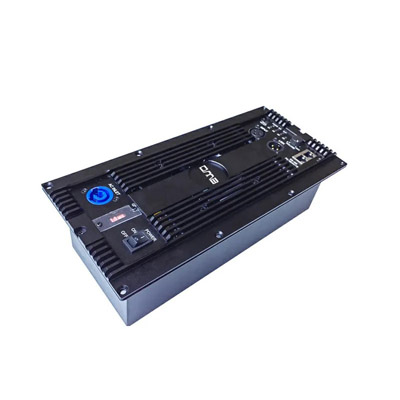

 Custom Amplifier For Pa Systems